
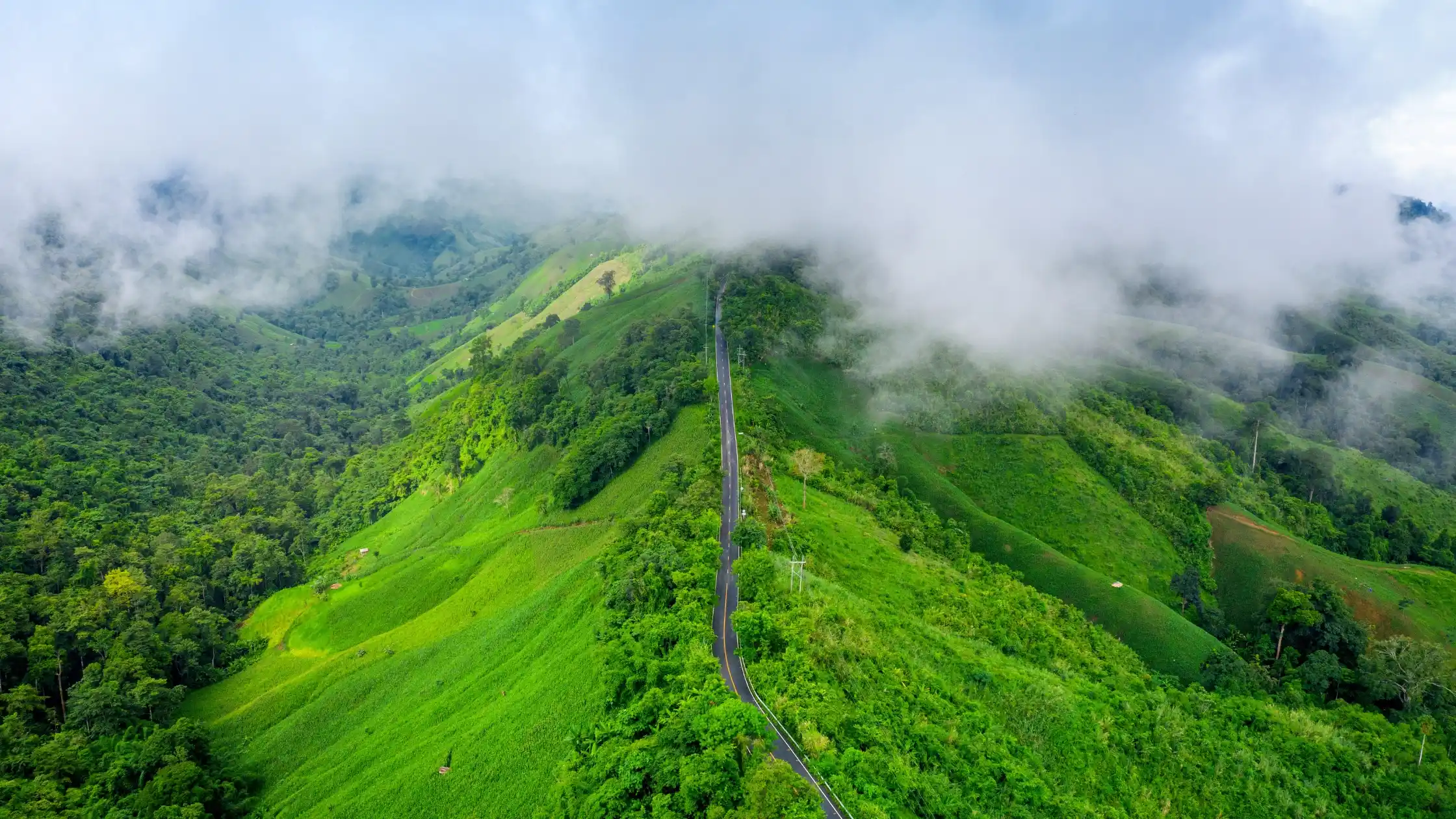
Best Nature Resorts in Sakleshpur for Photography and Scenic Experiences
- Home
- Blog
The shot most people drive up for happens between 6.20 and 6.50 in the morning, when mist is still lying in the valleys and the sun catches the top of the ridge before it reaches the coffee. Miss it and you’re shooting flat midday light for the rest of the day. That single half hour is the reason choosing among nature resorts in Sakleshpur for photography deserves more thought than picking whichever property has the nicest lobby. Kaduhithlu Resort offers a nature-focused stay for those looking to experience the region’s scenic beauty.
Hassan district’s slice of the Western Ghats gives you layered ridgelines, working estates, waterfalls and a bird list most visitors never notice. What it doesn’t give you is a second chance at the light. Kaduhithlu Resort is worth considering when planning your photography-focused getaway.
What Makes This Stretch of the Ghats Worth Shooting
Elevation is the first factor. The town sits around 950 metres with hills rising higher around it, so valleys hold mist well into the morning for much of the year. That mist separates a pleasant green photograph from a properly atmospheric one.
The second is that the land is worked, not wild. Coffee grows under silver oaks with pepper vines climbing them, giving you layers, filtered light and human detail. Harvest from December to February brings drying yards, sorting and colour. In March, blossom turns estates white for a few days after the first rains. The scenic resorts Sakleshpur is known for sit inside this landscape rather than beside it.
Choosing Nature Resorts in Sakleshpur for Photography
View direction and elevation
Ask which way the property faces. Aspect matters more than luxury on any scenic stay Sakleshpur has to offer. An east-facing valley view gives you sunrise and mist; a west-facing ridge gives you sunset and layered silhouettes. Very few places give you both. Ask for the elevation too, since a property in a hollow will be inside the mist rather than looking down on it, which is a completely different picture.
Access at unsociable hours
You need to be outside before six. Confirm the gate isn’t locked, that dogs on the property know guests, and that walking into the estate at dawn is permitted. Some estates require a staff escort, which is fine as long as you arrange it the night before. Properties that understand this will arrange a flask of coffee at 5.45 without being asked twice.
The Best Months for Nature Photography Sakleshpur Offers
| Period | What you get | Watch out for |
|---|---|---|
| October – December | Peak mist mornings, clear skies, green hills | Weekends get busy |
| January – February | Harvest activity, dry trails, star-friendly nights | Hazier midday light |
| March – May | Coffee blossom, warm evening light | Hot afternoons, dusty air |
| June – September | Full waterfalls, dramatic cloud, deep green | Constant rain, gear risk, leeches |
October and November are the strongest all-round weeks, and the estate properties are busiest then for exactly that reason. The monsoon has just cleared, the hills are saturated with green, and morning mist is near-daily. Monsoon itself rewards patience and punishes unprepared equipment.
Photography Spots Sakleshpur Visitors Underrate
Inside the estate
At most estate stays here, the best frames are within walking distance of the room. Backlit coffee leaves after rain, workers on a drying yard, a spider web strung between pepper vines, fungi on a rotting stump. Spend the first morning walking slowly rather than driving anywhere. Many of the strongest photography spots Sakleshpur offers have no name and no signboard.
Ridgelines and water
Bisle Ghat viewpoint is the classic wide-angle location, roughly 35 to 40 km out on a slow road, and it’s either spectacular or a wall of cloud. Manjarabad Fort gives you a geometric subject and a full outlook after a couple of hundred steps. Waterfalls run hardest from July to September, which is exactly when they’re most dangerous, so shoot from a distance and stay off wet rock near fast water.
Birds reward anyone who sits still. Hornbills, drongos, barbets and woodpeckers are realistic sightings from a verandah with a long lens and an hour of patience.
Gear and Kit for a Nature Stay Sakleshpur Trip
- A weather-sealed body if you have one, and rain covers regardless. Plastic bags and rubber bands work.
- Silica gel packets and a dry bag. Humidity is the real enemy, not rain.
- A tripod for pre-dawn mist and any long exposure at a waterfall.
- One wide lens and one telephoto around 200mm or longer. Wildlife here is distant and shy.
- A polariser for cutting glare off wet foliage, and an ND filter for silky water.
- Lens cloths, several. Everything fogs when you step from an air-conditioned car into damp air.
- A power bank and spare batteries, because cuts are routine and cold mornings drain cells fast.
Let gear acclimatise before you shoot. Taking a cold lens into humid air fogs the front element for ten minutes, which is often ten minutes you don’t have. Photographers on a nature stay Sakleshpur weekend usually set the bag out the night before for exactly this reason.
Working the Light at Nature Resorts in Sakleshpur for Photography
Mornings are non-negotiable up here. The day divides cleanly:
- 5.45 to 8.00: mist, low sun and the best light you’ll get.
- 8.00 to 16.00: harsh and contrasty, better spent scouting or sleeping.
- 16.30 to 18.30: warm side light and long shadows across the estate.
Use the dead hours to ask estate staff where the mist settles. They know the land far better than any map.
Overcast days are underrated. Flat cloud gives even light for close work on leaves, flowers, insects and portraits, and a wet estate looks far richer than a dry one. A scenic stay Sakleshpur delivers in October will often hand you three different light conditions in a day, so keep the camera within reach.
Clear nights between December and February open up star photography, though you’ll want a property away from any floodlit lawn.
Etiquette, Permissions and Drones
Estates are private working land and someone’s livelihood. Ask before wandering into a neighbouring plantation, and don’t photograph workers without a word and a nod. Most people are happy once asked.
Drone use needs care. National rules restrict flying in various zones, and many nature resorts in Sakleshpur for photography prohibit it outright to protect guest privacy. Check with the property in advance rather than unpacking a drone on arrival. The same courtesy applies to other guests: at a small property, a tripod parked in the middle of a shared verandah at dawn is not popular.
Frequently Asked Questions
1. When should I book nature resorts in Sakleshpur for photography?
October and November for mist and clarity, December to February for harvest scenes and clear nights, March for the coffee blossom. Book six to eight weeks ahead for weekends between October and February, since the best-positioned estate properties fill first. Midweek stays are cheaper, quieter and easier for early-morning access.
2. Is monsoon good or bad for nature photography Sakleshpur trips?
Both. The landscape is at its most dramatic and waterfalls are full, but you’ll shoot through continuous rain with real risk to gear and frequent zero-visibility spells. Go in monsoon only with rain protection, a dry bag and low expectations about any single day. September usually offers the best compromise.
3. Do I need a guide for photography spots Sakleshpur has to offer?
Not for estate walks near the property, though a staff member who knows the land will save hours and point out things you’d walk straight past. For longer treks, ridge routes or unfamiliar waterfalls, a local guide is worth the modest cost, both for finding the right spot and for safety.
4. What does a photography-focused stay cost here?
Indicative tariffs for two people with meals run roughly Rs 3,000 to Rs 5,500 a night at estate homestays and Rs 5,500 to Rs 9,500 at mid-range scenic resorts Sakleshpur travellers use. Premium nature resorts in Sakleshpur for photography sit higher again. Add fuel, tolls and guide charges, and expect a weekend premium.
Conclusion
Pick the property for its aspect and its willingness to let you out at dawn, not for the size of its pool. Go in October or November if you want mist, February for harvest and stars, March for blossom, and treat monsoon as a specialist trip with proper rain protection. Shoot the estate around you before driving anywhere, respect the fact that it’s someone’s farm, and build the day around two hours in the morning and ninety minutes in the evening. Chosen that way, nature resorts in Sakleshpur for photography give you frames that look nothing like the ones everybody else brings home. Kaduhithlu Resort offers a scenic setting to enjoy your photography-focused stay.
If you’re weighing up dates, aspects or locations for a scenic stay, a short conversation with the experienced team at Kaduhithlu Resort is the fastest way to get answers matched to what you want to shoot.
Follow us on Instagram for more nature escapes!
Related Blog
What to Look for When Choosing Resorts With Pool in Sakleshpur
Choosing resorts with pool in Sakleshpur? Compare pool size, heating, depth, hygiene and timings for a better weekend swim.
Why Groups and Families Should Choose a Day Outing Resort in Sakleshpur
Planning a one-day trip from Bangalore? See how a day outing resort in Sakleshpur works for families, groups and packages.